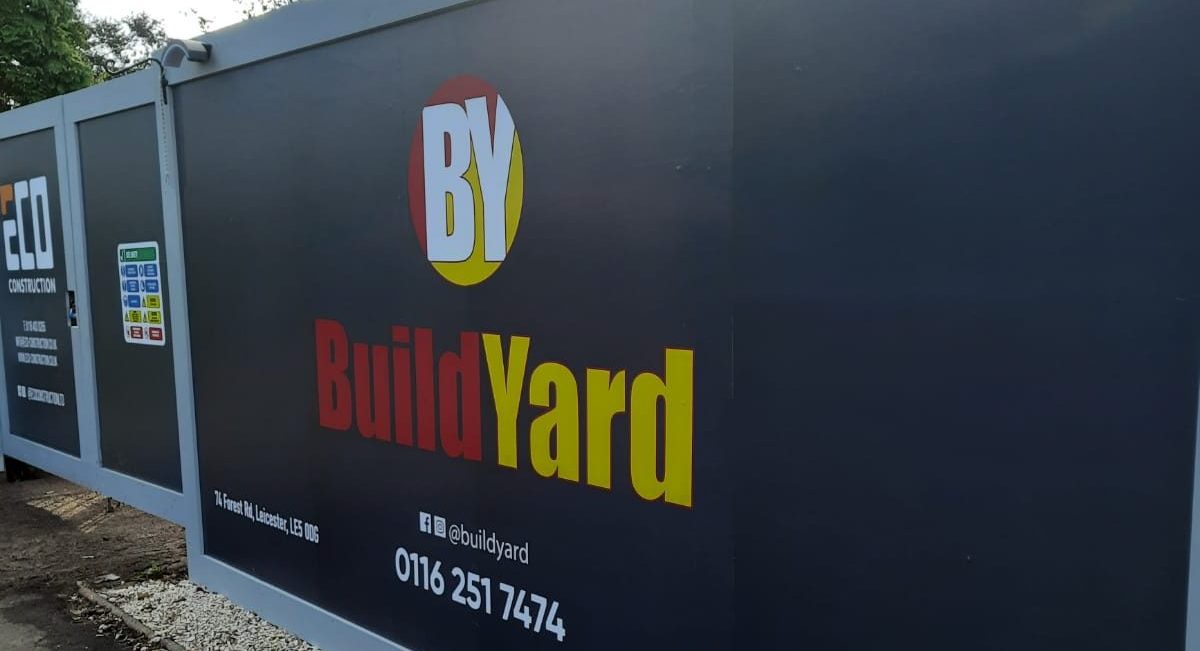

The process of creating signage for a business starts with different types of information needed:
- Offerings of the business.
- Logo of the business and idea for designing the logo.
- Where the sign will go (outdoors or indoors).
- Location of the business.
- When your business will open.
What is signage?
Signage is a type of graphic display which helps to deliver a message or any type of information to the customer or target audience (public advertisements, billboards, etc).
Signage refers to the design or use of signs, symbols, and images to communicate a message about something. It tends to relate to your business, or it can be motivational quotes or some informational messages.
Types of Signage
- Digital signage
- Outdoor signage
- Informational signage
- Persuasive signage
- Compliant signage
How effective is signage advertising?
According to research, signage can help to increase 47.7% of brand awareness, and boost the average purchase amount by nearly 30%.
How do you make signage?
You can create effective signage by following these important points:
- Examine your sign area.
- Make a clever differentiation.
- Avoid fancy text styles while planning signage.
- Think about size and scale.
- Keep it straightforward and simple.
- Use great graphics.
Why is signage is important for your business?
Signage is a very important marketing strategy for any type of business. As it helps to seek customer attention and create product awareness in customer minds by delivering information in an effective way. A creative and attractive sign can help your business stand separated from competitors.
Design
For the creation of eye-catching and attractive signage, design is a very important factor that includes:
- A readable textual style.
- High-contrast tones.
- Suitable style and colors.
- Valuable information.
- The perfect number of words – somewhere in the range of two and seven.
- Long-lasting materials.
Mockups
Some sign assembling organizations offer advanced models of your sign after you’ve picked some concept designs. If you give images of your building or location where you’d like the sign to go, many graphic designers can merge a digital mock-up of their design into the photo. You’ll see how different signs could look in or on your building before one goes to manufacturing.
Permitting
Depending upon the nature and location of your business is, you’ll have different construction laws to meet. Sign permits typically have guidelines on elements, for example the size of the sign, where you can hang it, how do you have to hang it.
Installation
Some sign designer companies offer installation service that depends upon the type of signage. Sign organizations might need to install individual characters or segments of a sign, secure brackets, mounting, or other complex aspects of signage before the project is complete.
Function of signage
Exterior signage can help to create customer attention about a business place and differentiate it from other competitors in the market. Therefore, It is one of the most effective communicating methods to individuals about business services, navigation paths, and some motivational quotes. It is used outside of a business spot or shop to make it simpler for individuals to understand more about products or services they offer.
Interior signage can help customers to find the product they need and lead to impulse sales when added to special displays. It is a method for communicating information about business services. It also makes their interior very beautiful which attracts people towards their business and helps to grow their business.
Advantages of signage:
- Eye-catching Displays.
- Dynamic, Contextual Content Updates.
- Environmentally friendly and low-cost product.
- Boosts Sales.
- Increases In-Store, Digital and Social Media Presence
- Plays a vital role in building brand visibility and increasing customer awareness.
- Signs are produced using durable and long-lasting materials which need minimum maintenance.